
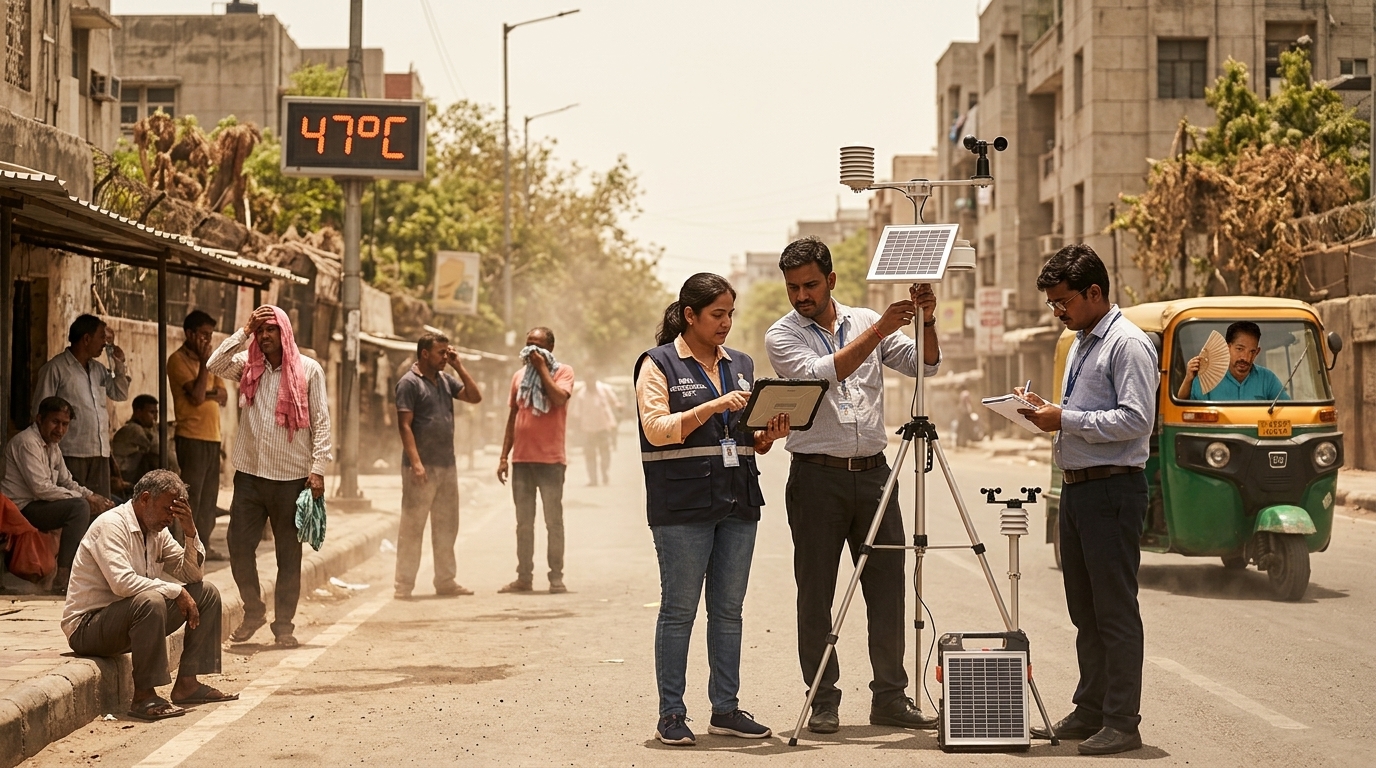
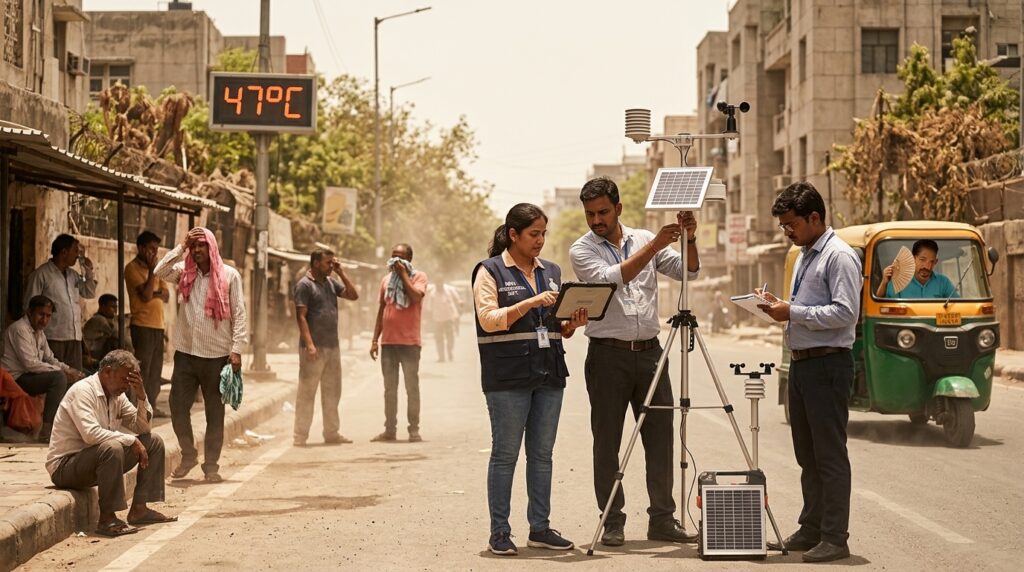
A Scorching Season Grips the Nation. India is experiencing one of its most intense summers in recent years, with temperatures soaring across multiple states. Cities in northern and central regions have reported prolonged heatwaves, pushing daily life and infrastructure to the brink. According to the India Meteorological Department, the frequency, duration, and severity of heatwaves have all increased, signaling a worrying trend.
Why Is This Summer So Extreme?
1. Climate Change Intensifying Heatwaves
Rising global temperatures linked to Climate Change are making heatwaves more frequent and severe. Warmer baseline temperatures mean that even slight increases can push conditions into extreme territory.
2. Urban Heat Island Effect
Rapid urbanization in cities like Delhi and Lucknow has led to the “urban heat island” effect, where concrete structures trap heat, making cities significantly hotter than surrounding rural areas.
3. Changing Weather Patterns
Irregular rainfall and delayed monsoons have reduced natural cooling. The absence of pre-monsoon showers has allowed heat to build up continuously over weeks.
4. Environmental Degradation
Deforestation and shrinking green cover have reduced natural cooling systems. With fewer trees and water bodies, regions are less equipped to regulate temperature.
Impact on Health, Economy, and Daily Life
The consequences of this extreme summer are widespread:
- Health Risks: Rising cases of heatstroke, dehydration, and respiratory issues
- Economic Strain: Reduced productivity, especially in outdoor sectors like construction and agriculture
- Energy Demand: Surge in electricity usage leading to power shortages
Vulnerable populations, including daily wage workers and the elderly, are the hardest hit.
The Data Gap: Why Better Collection Matters
Despite the severity of the situation, experts argue that India lacks comprehensive heat-related data. Many cases of heat-related illnesses and deaths go underreported or misclassified.
Better data collection can:
- Improve Early Warning Systems: Accurate local data helps predict heatwaves more effectively
- Enable Targeted Interventions: Authorities can identify high-risk areas and populations
- Strengthen Policy Decisions: Reliable data supports long-term climate adaptation strategies
Institutions like the National Disaster Management Authority emphasize the need for standardized reporting systems and real-time monitoring.
Technology as a Game Changer
Advancements in satellite monitoring, AI-based forecasting, and mobile data collection can revolutionize how India tracks heatwaves. Integrating data from hospitals, weather stations, and local governments can create a unified system for better response.
Moving Forward: A Data-Driven Response
As extreme summers become the new normal, India must shift from reactive measures to proactive planning. Strengthening data infrastructure will not only help mitigate immediate risks but also build long-term resilience against climate challenges.Conclusion
This summer is not just another seasonal spike—it is a warning sign. With climate change accelerating and urban pressures mounting, India faces a critical need to adapt. Better data collection is no longer optional; it is essential for protecting lives, sustaining livelihoods, and preparing for a hotter future.