Author name: roshanr2465@gmail.com

Thought piece

Cockroach janta party protest: a movement or a mess 
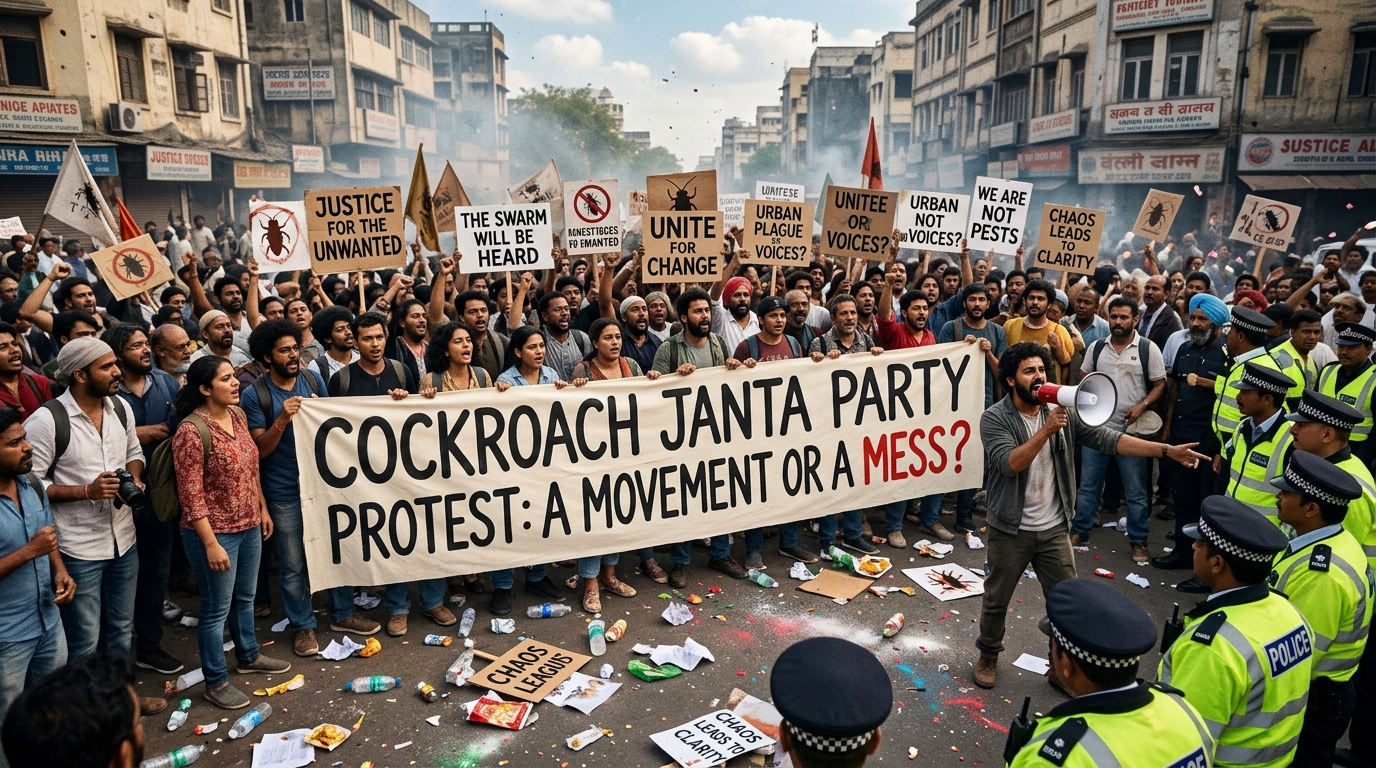
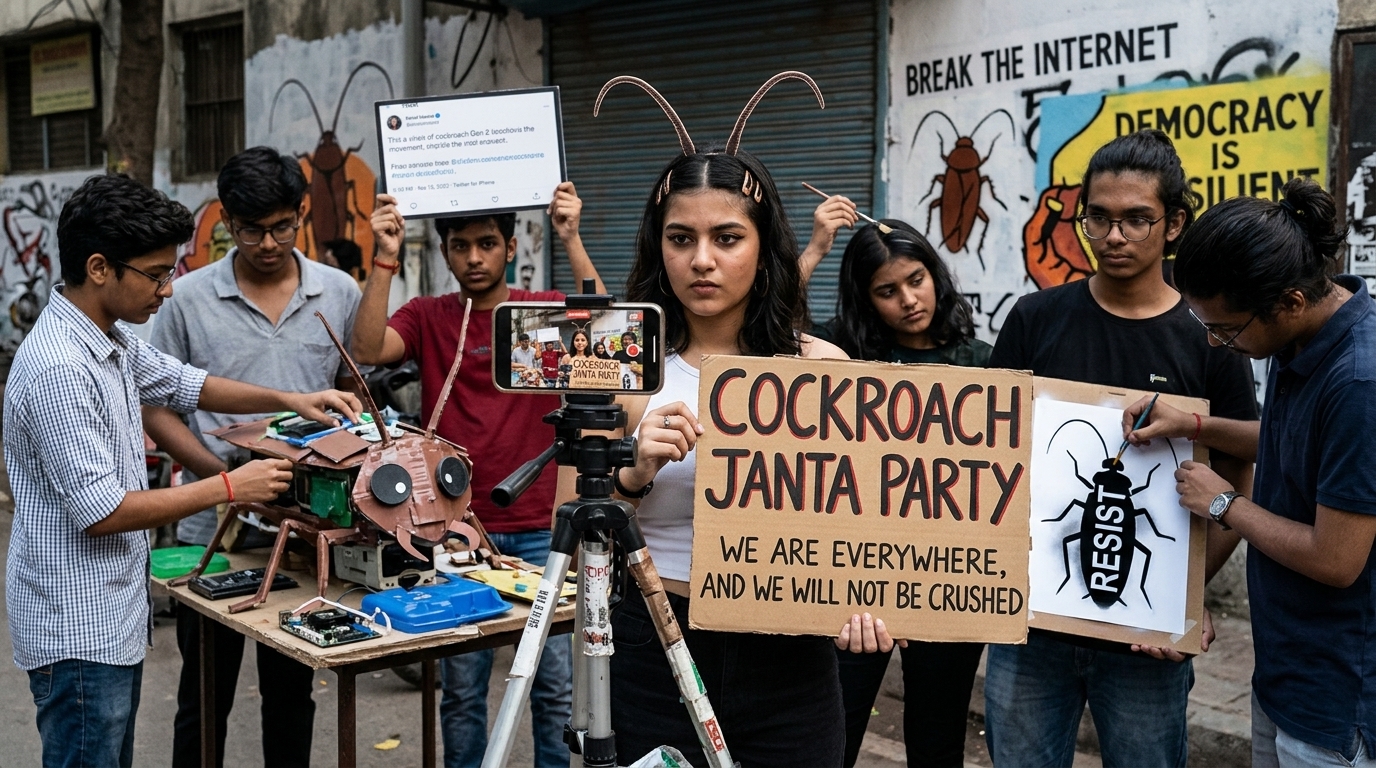
Cockroach janta party protest: a movement or a mess    On Saturday, 6 June, students, aspirants and a few awakened families protested against India’s education system and its leaders under a flag of cockroach Janta Party. After CJI Justice Suryakant’s cockroach remark on youth, a satire meme website slowly became popular and caught fire with the recent paper leak and CBSE board irregularities. The name itself is provocative and symbolic. Cockroaches are creatures often associated with survival in the harshest conditions—ignored, unwanted, yet nearly impossible to eliminate. By adopting this identity, the youth behind the CJP protest are making a bold statement. The rise of the Cockroach Janta Party (CJP) protest has quickly turned into one of the most talked-about youth-led phenomena across digital spaces. What initially appeared as a humorous, almost absurd expression of dissent has rapidly evolved into a symbol of deeper frustration among India’s youth. But beneath the memes, hashtags, and viral reels lies an important question: Is this a meaningful movement shaping democratic discourse, or just a chaotic outburst with no direction? Emergence brief of CJP The cockroach janta party was born nearly three weeks ago, after the Chief Justice of India reportedly linked government critics and unemployed youth to cockroaches and parasites. Abhijit Depke, an Indian student from America, has created this meme website with the intent of parody and meme factory, which further exploded as a channel for anger over exams, jobs and a fraying sense of economic crisis. After the NEET exam leak, the debunking of the CBSE OMS system, and other issues by a few +2 Gen Zs, the system turns to deniable mode and loses students’ trust. Some mainstream media also open their shield for the government, but major digital channels and a few leading newspapers showed their strength of spine and spoke the truth. This leads to a breakout of students and raises their voice through social media; meanwhile, some online educators also take a stand for students, which helps the issue to be in the mainstream. During these happenings, Dipke gained enough space in a popular individual group, which I think encourages him to move further with the intent of turning memes into a movement. Abhijeet announces his arrival in India and lead protest  The Context: What Sparked the Protest? The emergence of the CJP protest cannot be separated from the broader socio-political climate. Over the past few years, issues such as exam irregularities, paper leaks, unemployment, and lack of institutional accountability have deeply affected students and young aspirants. Many young people feel trapped in a cycle where Hard work does not guarantee fair outcomes. Systems meant to provide opportunities appear compromised more over Questioning authority often leads to dismissal or backlash.This growing frustration needed an outlet—and the CJP protest became that outlet. The Digital Nature of the Movement Unlike traditional protests defined by physical gatherings, slogans, and organized leadership, the Cockroach Janta Party protest thrives in the digital space. Social media platforms act as its primary battleground, where Memes replace pamphlets, Hashtags replace slogans, Viral videos replace speeches This format allows rapid participation. Anyone with a smartphone can contribute, share, or amplify the message. It democratizes protest but also introduces unpredictability. The movement’s tone—often sarcastic, humorous, and ironic—makes it highly shareable, especially among Gen Z audiences who resonate with this style of communication. The Strengths: Why It Can Be Seen as a Movement Despite its unconventional nature, there are strong arguments supporting the idea that the CJP protest is indeed a legitimate movement. 1. Voice to the Disillusioned For many students and young citizens, this protest provides a platform to express grievances that often go unheard. It breaks the culture of silence and obedience. 2. Accessibility and Inclusivity Traditional protests require physical presence, organization, and resources. In contrast, CJP allows participation from anywhere, making it more inclusive. 3. Creative Resistance The use of humor, satire, and irony transforms complex issues into relatable content. This not only spreads awareness but also engages audiences who might otherwise ignore political discourse. 4. Breaking Fear Barriers By disguising criticism within humor, participants can question authority without appearing overtly confrontational. This lowers the psychological barrier to dissent. The Weaknesses: Why Critics Call It a Mess While the movement has energy and reach, it also faces significant criticism. 1. Lack of Structure and Leadership Unlike traditional movements, CJP does not have a clear leadership or organizational framework. This makes it difficult to channel its energy into concrete outcomes. 2. Absence of Clear Demands A successful protest typically revolves around specific demands or policy changes. The CJP protest often expresses anger but lacks a unified agenda. 3. Risk of Misinformation The fast-paced nature of social media can lead to the spread of half-truths, exaggerated claims, or unverified information, weakening credibility. 4. Perception Problem The heavy use of humor and memes can cause the protest to be dismissed as unserious or immature, especially by older generations and policymakers. Movement vs. Mess: Understanding the Reality The Cockroach Janta Party protest exists in a grey area. It is neither entirely a structured movement nor purely a chaotic mess. It is best understood as an emotional uprising with cultural power, but without institutional direction. The emotions driving it—anger, frustration, and a desire for accountability—are very real. However, the absence of organisation limits its ability to create tangible change. The Bigger Picture: A Shift in Protest Culture The rise of the CJP protest highlights a larger transformation in how protests are conducted in the digital age. Today’s youth Prefer decentralized forms of expression, Value relatability over formality and Use humour as a political tool Operate within online ecosystems rather than physical spaces.This signals a shift from traditional activism to what can be called “networked dissent”, where influence spreads horizontally rather than hierarchically. What Lies Ahead? The future of the Cockroach Janta Party protest depends on its evolution, If it manages to Develop clear demands and Build credible voices or leadership Transition from online expression to real-world impact it has the

Exam Updates

NEET Re-exam Stress: How to Cope With It

Uncertainty Weighs Heavy on Aspirants The announcement of a possible re-examination for the NEET has triggered widespread anxiety among medical aspirants across India. For lakhs of students who have already endured months—if not years—of preparation, the prospect of going through the process again has created emotional, mental, and physical strain. Parents and educators report rising levels of stress, sleep disturbances, and lack of focus among students, many of whom now face uncertainty about their future. Why the Stress Is So Intense 1. High Stakes and Limited Seats NEET is one of the most competitive exams in the country, conducted by the National Testing Agency. With limited medical seats and intense competition, even a small disruption like a re-exam can feel overwhelming. 2. Mental Fatigue After Long Preparation Students typically prepare for NEET over several years. A sudden re-exam means revisiting the same pressure cycle, often when motivation levels are already depleted. 3. Fear of Uncertainty Questions like “Will the paper be tougher?” or “Will my performance improve or decline?” add to anxiety, making it difficult for students to stay focused. Psychological Impact on Students Mental health experts warn that prolonged academic stress can lead to: In extreme cases, students may feel isolated or hopeless, highlighting the importance of timely support. Practical Ways to Cope With Re-exam Stress 1. Rebuild a Realistic Study Plan Instead of restarting from scratch, students should revise strategically. Focus on weak areas and maintain a balanced timetable with breaks. 2. Prioritize Mental Health Simple practices like meditation, light exercise, and adequate sleep can significantly reduce stress levels. Even short daily routines can help stabilize emotions. 3. Limit Information Overload Constant updates and social media discussions can increase anxiety. Students are advised to rely only on official notifications and avoid unnecessary speculation. 4. Seek Support Talking to parents, teachers, or counselors can help release emotional pressure. Coaching institutes and schools are also stepping in to provide guidance. Role of Institutions and Authorities Educational bodies and policymakers must ensure transparency and timely communication to reduce confusion. Experts suggest that institutions like the National Medical Commission should work alongside testing authorities to provide clarity and psychological support systems for students.Parents Play a Crucial Role Parents are encouraged to: A supportive home environment can make a significant difference in how students handle stress. A Test Beyond Academics The NEET re-exam situation is not just an academic challenge—it is a test of resilience. While uncertainty remains, experts emphasize that maintaining mental balance is just as important as preparation. Conclusion As the situation unfolds, students must remember that one exam does not define their entire future. With the right support, structured preparation, and focus on well-being, it is possible to navigate this challenging phase. In a system where competition is fierce, coping with stress becomes a skill as vital as academic knowledge itself.

Explained

What Makes This Summer Particularly Intense for India, and How Can Better Data Collection Help?

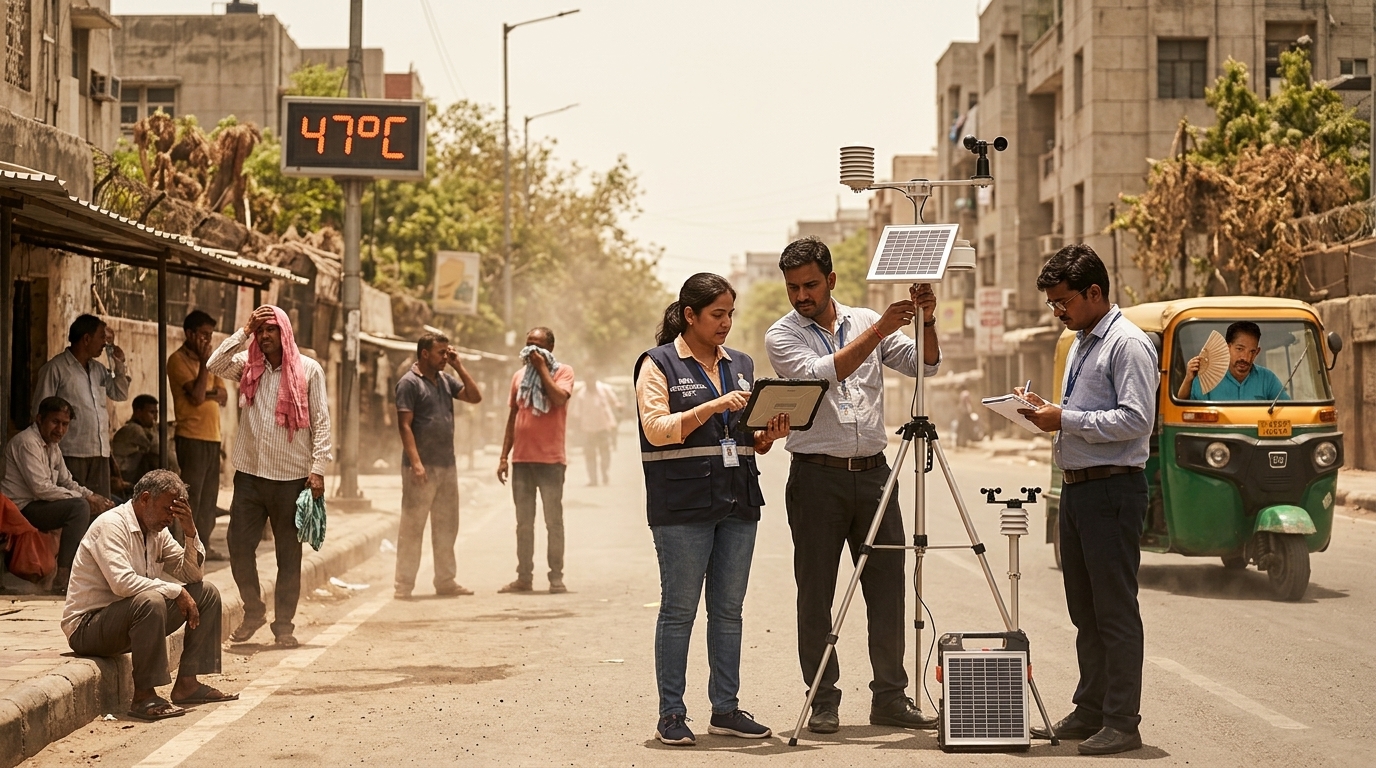
A Scorching Season Grips the Nation. India is experiencing one of its most intense summers in recent years, with temperatures soaring across multiple states. Cities in northern and central regions have reported prolonged heatwaves, pushing daily life and infrastructure to the brink. According to the India Meteorological Department, the frequency, duration, and severity of heatwaves have all increased, signaling a worrying trend. Why Is This Summer So Extreme? 1. Climate Change Intensifying Heatwaves Rising global temperatures linked to Climate Change are making heatwaves more frequent and severe. Warmer baseline temperatures mean that even slight increases can push conditions into extreme territory. 2. Urban Heat Island Effect Rapid urbanization in cities like Delhi and Lucknow has led to the “urban heat island” effect, where concrete structures trap heat, making cities significantly hotter than surrounding rural areas. 3. Changing Weather Patterns Irregular rainfall and delayed monsoons have reduced natural cooling. The absence of pre-monsoon showers has allowed heat to build up continuously over weeks. 4. Environmental Degradation Deforestation and shrinking green cover have reduced natural cooling systems. With fewer trees and water bodies, regions are less equipped to regulate temperature. Impact on Health, Economy, and Daily Life The consequences of this extreme summer are widespread: Vulnerable populations, including daily wage workers and the elderly, are the hardest hit. The Data Gap: Why Better Collection Matters Despite the severity of the situation, experts argue that India lacks comprehensive heat-related data. Many cases of heat-related illnesses and deaths go underreported or misclassified. Better data collection can: Institutions like the National Disaster Management Authority emphasize the need for standardized reporting systems and real-time monitoring. Technology as a Game Changer Advancements in satellite monitoring, AI-based forecasting, and mobile data collection can revolutionize how India tracks heatwaves. Integrating data from hospitals, weather stations, and local governments can create a unified system for better response. Moving Forward: A Data-Driven Response As extreme summers become the new normal, India must shift from reactive measures to proactive planning. Strengthening data infrastructure will not only help mitigate immediate risks but also build long-term resilience against climate challenges.Conclusion This summer is not just another seasonal spike—it is a warning sign. With climate change accelerating and urban pressures mounting, India faces a critical need to adapt. Better data collection is no longer optional; it is essential for protecting lives, sustaining livelihoods, and preparing for a hotter future.

New

Indian Gen Z’s New Style of Resistance Breaks the Internet — The CJP Is Hitting Hard

A Digital Uprising Redefining Protest India’s Generation Z is rewriting the rules of resistance. Armed not with placards alone but with smartphones, memes, and viral campaigns, young Indians are taking their dissent online—and the impact is impossible to ignore. From Instagram reels to Twitter (X) threads, their voices are shaping conversations at a national scale within hours. At the center of this wave is Citizens for Justice and Peace (CJP), which has emerged as a key force amplifying these digital movements. By combining legal activism with sharp online communication strategies, CJP is helping Gen Z transform scattered outrage into structured resistance. Meme Culture Meets Activism Unlike traditional protest methods, Gen Z resistance thrives on relatability. Memes, satire, and short-form videos are being used to break down complex political and social issues into digestible content. This strategy has two major advantages: CJP has tapped into this ecosystem effectively, collaborating with digital creators and youth influencers to spread awareness about rights, justice, and accountability. The Role of CJP: From Legal Aid to Digital Advocacy While CJP has long been known for its legal interventions and human rights work, its recent digital push marks a strategic evolution. The organization is now: This blend of on-ground activism + online amplification is making campaigns more resilient and impactful. Hashtags That Turn Into Movements Hashtag activism has become a defining feature of this resistance. What starts as a trending topic often evolves into: Gen Z understands the algorithm—and uses it to their advantage. Campaigns supported by CJP frequently gain traction because they combine emotional storytelling with factual accuracy, making them both shareable and credible. Risks and Backlash in the Digital Arena However, this new form of resistance is not without challenges. CJP plays a critical role here by offering guidance and protection, ensuring that digital activism does not leave young voices vulnerable. A Generational Shift in Power What sets this movement apart is its decentralised nature. There is no single leader—just a network of aware, connected individuals. This makes it harder to suppress and easier to sustain. Gen Z is not waiting for change; they are engineering it in real time, using the internet as both a stage and a weapon. Resistance in the Age of Virality India’s Gen Z is proving that resistance no longer needs to be confined to streets—it can thrive on screens. With organizations like Citizens for Justice and Peace backing them, this digital uprising is becoming more organized, impactful, and difficult to ignore. As the lines between online and offline activism blur, one thing is clear:the future of resistance is fast, fearless, and fundamentally digital.

Thought piece

Our Breath is being stolen

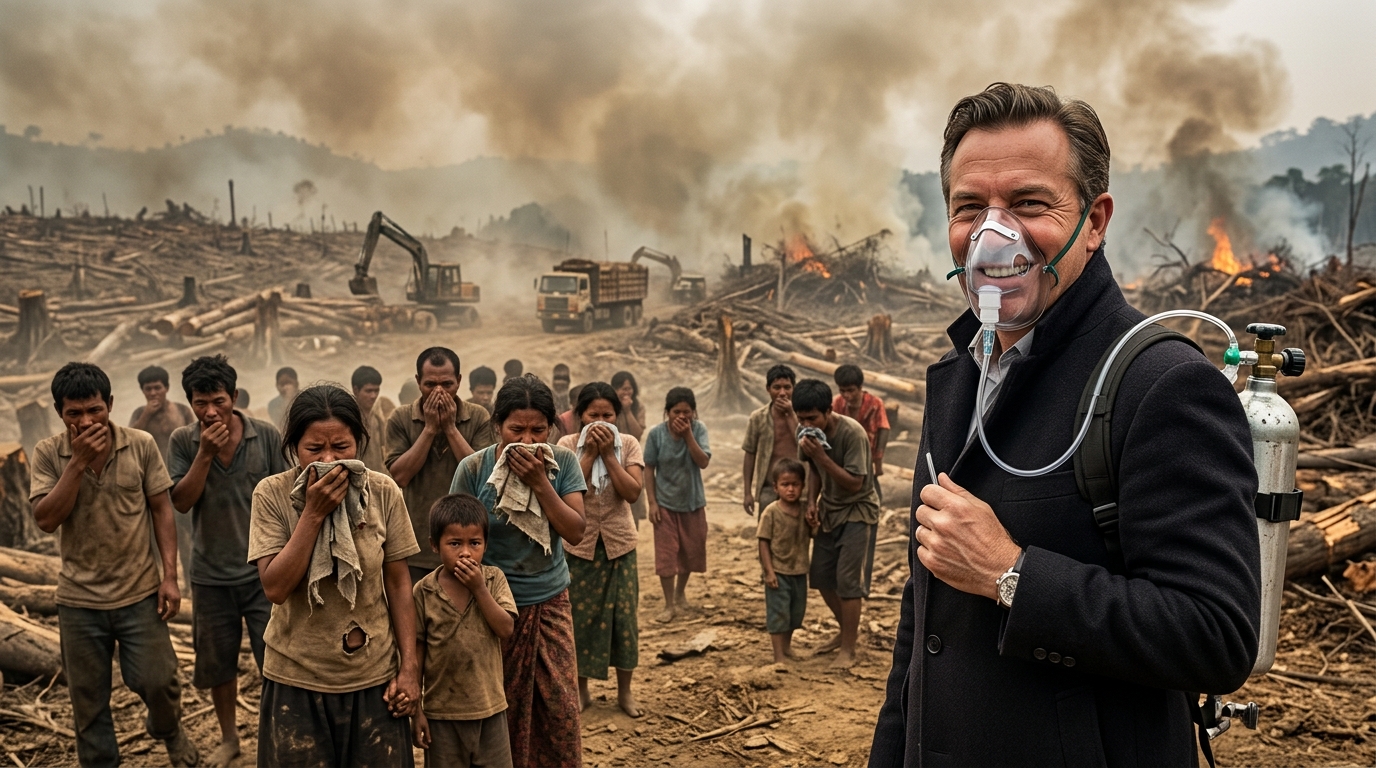
Air is the most basic necessity of life. We can survive days without food, hours without water—but only minutes without air. Yet today, something as fundamental as breathing is no longer safe. It feels as if our breath is being slowly snatched away, not by accident, but by design. Across cities and industrial zones, the air has turned toxic. Thick smog blankets skylines, rivers carry chemical waste, and forests—the lungs of our planet—are being cleared at alarming rates. While the consequences are visible to all, the causes are deeply rooted in systems of power, profit, and neglect. At the center of this crisis are powerful industries and decision-makers who prioritize economic gain over environmental health. Factories release pollutants into the air with minimal regulation. Corporations exploit natural resources without restoring them. Urban expansion replaces green cover with concrete, leaving no room for nature to breathe—let alone humans. What makes this situation even more troubling is the imbalance of impact and benefit. The profits from these activities flow into the hands of a few, while the consequences are borne by millions. Children grow up inhaling polluted air, leading to respiratory diseases at an early age. The elderly struggle with worsening health conditions. Even healthy individuals find themselves fatigued and vulnerable in environments that were once safe. Air pollution is no longer just an environmental issue—it is a public health emergency. According to global health studies, millions of premature deaths each year are linked directly to polluted air. Yet, despite this knowledge, meaningful action often takes a backseat to economic interests. There is also a troubling narrative being pushed: that pollution is the inevitable cost of development. But this is a false choice. Sustainable alternatives exist—clean energy, green infrastructure, stricter environmental policies—but implementing them requires accountability and a willingness to challenge powerful interests. The silence around this issue is equally dangerous. When people normalize polluted air, when masks become a permanent accessory rather than a temporary protection, we begin to accept a reality that should never be acceptable. Our breath is not a commodity. It should not be something controlled, compromised, or sacrificed for profit. Clean air is a basic human right, not a privilege. The question we must ask ourselves is simple: how long will we allow this to continue? Awareness is the first step, but it must be followed by action—strong policies, responsible consumption, and collective pressure on those in power. Because if we do not act now, the cost will not just be measured in economic terms, but in every breath we struggle to take. In the end, this is not just about the environment. It is about life itself.

Scroll to Top