
Indian Gen Z’s New Style of Resistance Breaks the Internet — The CJP Is Hitting Hard
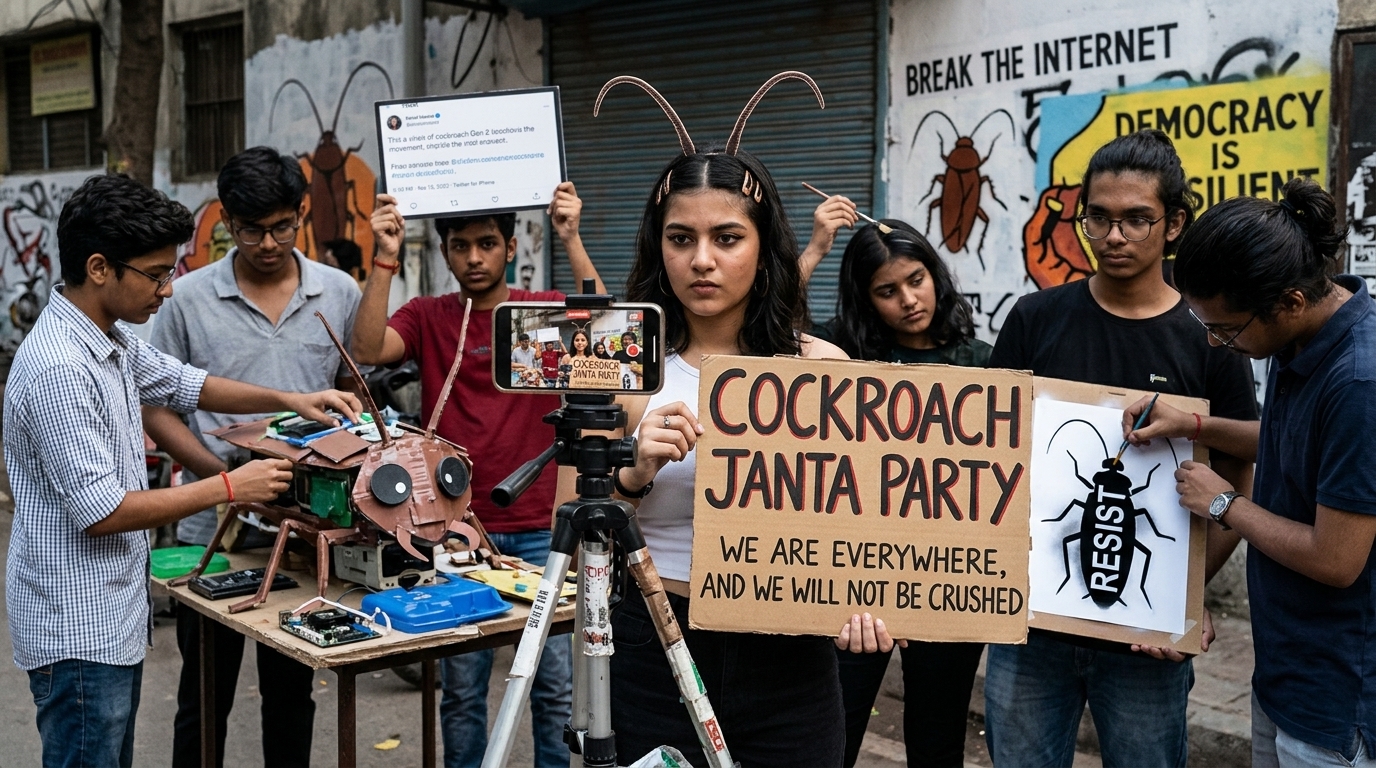
A Digital Uprising Redefining Protest India’s Generation Z is rewriting the rules of resistance. Armed not with placards alone but with smartphones, memes, and viral campaigns, young Indians are taking their dissent online—and the impact is impossible to ignore. From Instagram reels to Twitter (X) threads, their voices are shaping conversations at a national scale within hours. At the center of this wave is Citizens for Justice and Peace (CJP), which has emerged as a key force amplifying these digital movements. By combining legal activism with sharp online communication strategies, CJP is helping Gen Z transform scattered outrage into structured resistance. Meme Culture Meets Activism Unlike traditional protest methods, Gen Z resistance thrives on relatability. Memes, satire, and short-form videos are being used to break down complex political and social issues into digestible content. This strategy has two major advantages: CJP has tapped into this ecosystem effectively, collaborating with digital creators and youth influencers to spread awareness about rights, justice, and accountability. The Role of CJP: From Legal Aid to Digital Advocacy While CJP has long been known for its legal interventions and human rights work, its recent digital push marks a strategic evolution. The organization is now: This blend of on-ground activism + online amplification is making campaigns more resilient and impactful. Hashtags That Turn Into Movements Hashtag activism has become a defining feature of this resistance. What starts as a trending topic often evolves into: Gen Z understands the algorithm—and uses it to their advantage. Campaigns supported by CJP frequently gain traction because they combine emotional storytelling with factual accuracy, making them both shareable and credible. Risks and Backlash in the Digital Arena However, this new form of resistance is not without challenges. CJP plays a critical role here by offering guidance and protection, ensuring that digital activism does not leave young voices vulnerable. A Generational Shift in Power What sets this movement apart is its decentralised nature. There is no single leader—just a network of aware, connected individuals. This makes it harder to suppress and easier to sustain. Gen Z is not waiting for change; they are engineering it in real time, using the internet as both a stage and a weapon. Resistance in the Age of Virality India’s Gen Z is proving that resistance no longer needs to be confined to streets—it can thrive on screens. With organizations like Citizens for Justice and Peace backing them, this digital uprising is becoming more organized, impactful, and difficult to ignore. As the lines between online and offline activism blur, one thing is clear:the future of resistance is fast, fearless, and fundamentally digital.